Buy psychodrame-psychogenealogie.be ?
We are moving the project
psychodrame-psychogenealogie.be .
Are you interested in purchasing the domain
psychodrame-psychogenealogie.be ?
domain@kv-gmbh.de · 0541-91531010
Buy psychodrame-psychogenealogie.be ?
What does "le paradis est ouvert à tous" mean?
"Le paradis est ouvert à tous" means "paradise is open to everyone" in English. This phrase conveys the idea that paradise is accessible to all, regardless of their background, beliefs, or actions. It suggests inclusivity and the idea that everyone has the potential to experience a state of bliss or happiness. **
Hello people, what is the difference between "à tout à l'heure" and "à tout de suite"?
"À tout à l'heure" and "à tout de suite" are both French expressions used to indicate that you will see someone later. However, "à tout à l'heure" is more casual and implies that the meeting will happen in a little while, while "à tout de suite" is more immediate and suggests that the meeting will happen very soon, almost instantly. **


Similar search terms for Regnes-Body-ouvert-à
Top-Angebote
Products related to Regnes-Body-ouvert-à:
-
René Rofé Body sexy string noir ouvert à l'entre-jambes dentelle et ornementsBody sexy string noir ouvert à l'entre-jambes dentelle et ornements – René RoféCe body sensuel signé René Rofé associe la délicatesse de la dentelle à une coupe audacieuse pour sublimer la silhouette. Conçu en 90% polyester et 10% élasthanne, il offre une texture douce et légèrement extensible qui31,99 €*Shipping: 0,00 €Secure redirect to the provider




-
Hello guys, what is the difference between "à tout à l'heure" and "à tout de suite"?
"À tout à l'heure" and "à tout de suite" are both French expressions used to indicate that you will see someone later. However, "à tout à l'heure" is more commonly used to mean "see you later" when the time frame is a bit longer, such as later in the day. On the other hand, "à tout de suite" is used when the meeting or reunion is happening very soon, almost immediately. **
-
Hello everyone, what is the difference between "à tout à l'heure" and "à tout de suite"?
"À tout à l'heure" and "à tout de suite" are both French expressions used to indicate that you will see someone later. However, "à tout à l'heure" is more casual and can mean "see you later" or "see you in a bit," while "à tout de suite" is more immediate and means "see you soon" or "see you in a moment." The choice between the two depends on the level of immediacy in the meeting or the context in which it is being used. **
-
What is a tendu à terre à la seconde en face?
A tendu à terre à la seconde en face is a movement in ballet where the working foot slides along the floor to the side (à la seconde) while the body is facing directly forward (en face). This movement is typically done with the working leg fully stretched and the foot pointed, and it is used to strengthen the legs, improve turnout, and develop precision and control in the feet. The tendu à terre à la seconde en face is a fundamental exercise in ballet that is often used as a warm-up or as part of a combination in a ballet class. **
-
When do we use the prepositions à, à la, chez, au, and aux in French?
We use the preposition "à" to indicate a location or destination, to express possession, or to talk about a specific time. "À la" is used before a feminine singular noun to indicate a location or destination. "Chez" is used to indicate going to someone's house or place of business. "Au" is used before a masculine singular noun to indicate a location or destination. "Aux" is used before a plural noun to indicate a location or destination. **

What does à la carte mean?
À la carte is a French term that translates to "according to the menu" in English. In the context of dining, it refers to ordering individual dishes from a menu rather than choosing a set meal or a fixed combination of items. This allows diners to select specific items they want to order, creating a customized dining experience. Each dish is priced separately, and diners can choose as many or as few items as they like. **
What does camping à la ferme mean?
Camping à la ferme, which translates to "camping on the farm" in English, refers to a type of camping experience where visitors can pitch their tents or park their campers on a working farm. This type of camping allows guests to experience rural life, interact with farm animals, and enjoy the natural surroundings of the farm. It often provides a more authentic and immersive experience compared to traditional campgrounds, as guests have the opportunity to learn about farming practices and even purchase fresh produce directly from the farm. **
Top-Angebote
Products related to Regnes-Body-ouvert-à:
-
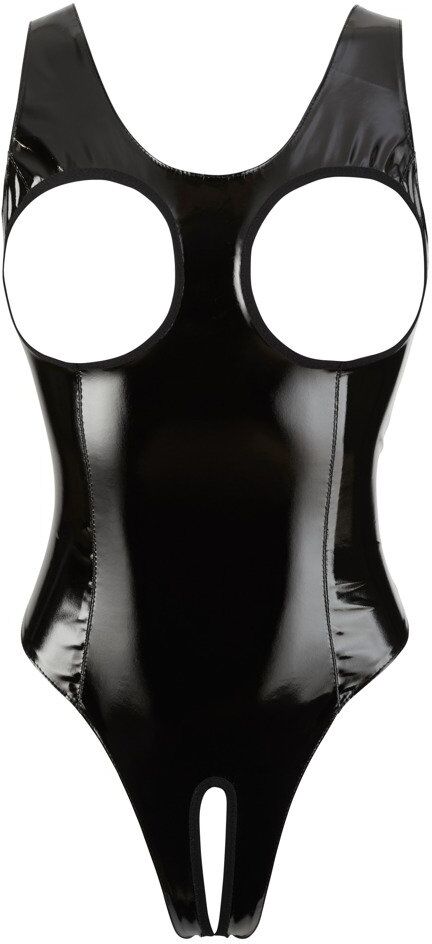
Cottelli BONDAGE Body bondage ouvertBody bondage ouvert Cottelli BondageLe Body bondage ouvert signé Cottelli Bondage associe audace et élégance dans une pièce unique en polyester et élasthanne. Sa texture douce et légèrement extensible épouse les courbes tout en offrant un confort optimal, idéal pour des moments intenses ou une mise59,92 €*Shipping: 0,00 €Secure redirect to the provider
-
René Rofé Body sexy string noir ouvert à l'entre-jambes dentelle et ornementsBody sexy string noir ouvert à l'entre-jambes dentelle et ornements – René RoféCe body sensuel signé René Rofé associe la délicatesse de la dentelle à une coupe audacieuse pour sublimer la silhouette. Conçu en 90% polyester et 10% élasthanne, il offre une texture douce et légèrement extensible qui31,99 €*Shipping: 0,00 €Secure redirect to the provider
-
What does "le paradis est ouvert à tous" mean?
"Le paradis est ouvert à tous" means "paradise is open to everyone" in English. This phrase conveys the idea that paradise is accessible to all, regardless of their background, beliefs, or actions. It suggests inclusivity and the idea that everyone has the potential to experience a state of bliss or happiness. **
-
Hello people, what is the difference between "à tout à l'heure" and "à tout de suite"?
"À tout à l'heure" and "à tout de suite" are both French expressions used to indicate that you will see someone later. However, "à tout à l'heure" is more casual and implies that the meeting will happen in a little while, while "à tout de suite" is more immediate and suggests that the meeting will happen very soon, almost instantly. **
-
Hello guys, what is the difference between "à tout à l'heure" and "à tout de suite"?
"À tout à l'heure" and "à tout de suite" are both French expressions used to indicate that you will see someone later. However, "à tout à l'heure" is more commonly used to mean "see you later" when the time frame is a bit longer, such as later in the day. On the other hand, "à tout de suite" is used when the meeting or reunion is happening very soon, almost immediately. **
-
Hello everyone, what is the difference between "à tout à l'heure" and "à tout de suite"?
"À tout à l'heure" and "à tout de suite" are both French expressions used to indicate that you will see someone later. However, "à tout à l'heure" is more casual and can mean "see you later" or "see you in a bit," while "à tout de suite" is more immediate and means "see you soon" or "see you in a moment." The choice between the two depends on the level of immediacy in the meeting or the context in which it is being used. **
Similar search terms for Regnes-Body-ouvert-à
-
What is a tendu à terre à la seconde en face?
A tendu à terre à la seconde en face is a movement in ballet where the working foot slides along the floor to the side (à la seconde) while the body is facing directly forward (en face). This movement is typically done with the working leg fully stretched and the foot pointed, and it is used to strengthen the legs, improve turnout, and develop precision and control in the feet. The tendu à terre à la seconde en face is a fundamental exercise in ballet that is often used as a warm-up or as part of a combination in a ballet class. **
-
When do we use the prepositions à, à la, chez, au, and aux in French?
We use the preposition "à" to indicate a location or destination, to express possession, or to talk about a specific time. "À la" is used before a feminine singular noun to indicate a location or destination. "Chez" is used to indicate going to someone's house or place of business. "Au" is used before a masculine singular noun to indicate a location or destination. "Aux" is used before a plural noun to indicate a location or destination. **
-
What does à la carte mean?
À la carte is a French term that translates to "according to the menu" in English. In the context of dining, it refers to ordering individual dishes from a menu rather than choosing a set meal or a fixed combination of items. This allows diners to select specific items they want to order, creating a customized dining experience. Each dish is priced separately, and diners can choose as many or as few items as they like. **
-
What does camping à la ferme mean?
Camping à la ferme, which translates to "camping on the farm" in English, refers to a type of camping experience where visitors can pitch their tents or park their campers on a working farm. This type of camping allows guests to experience rural life, interact with farm animals, and enjoy the natural surroundings of the farm. It often provides a more authentic and immersive experience compared to traditional campgrounds, as guests have the opportunity to learn about farming practices and even purchase fresh produce directly from the farm. **
* All prices are inclusive of VAT and, if applicable, plus shipping costs. The offer information is based on the details provided by the respective shop and is updated through automated processes. Real-time updates do not occur, so deviations can occur in individual cases. ** Note: Parts of this content were created by AI.