Buy psychodrame-psychogenealogie.be ?
We are moving the project
psychodrame-psychogenealogie.be .
Are you interested in purchasing the domain
psychodrame-psychogenealogie.be ?
domain@kv-gmbh.de · 0541-91531010
Buy psychodrame-psychogenealogie.be ?
What are T-helper cells and T-killer cells?
T-helper cells, also known as CD4+ cells, are a type of white blood cell that play a crucial role in the immune system by coordinating the immune response. They help activate and direct other immune cells, such as B cells and T-killer cells, to fight off infections. T-killer cells, also known as cytotoxic T cells, are another type of white blood cell that are responsible for directly killing infected cells or cancer cells in the body. Together, T-helper cells and T-killer cells work in harmony to mount an effective immune response against pathogens. **
Do T-killer cells arise from T-lymphocytes due to the activation of T-helper cells?
No, T-killer cells do not arise from T-lymphocytes due to the activation of T-helper cells. T-killer cells, also known as cytotoxic T cells, are a subset of T-lymphocytes that are activated by the recognition of specific antigens presented by antigen-presenting cells. Once activated, T-killer cells can directly kill infected or abnormal cells. T-helper cells, on the other hand, play a different role in the immune response by helping to activate other immune cells, including T-killer cells, through the release of cytokines. **

Similar search terms for T-cells
Top-Angebote
Products related to T-cells:
-
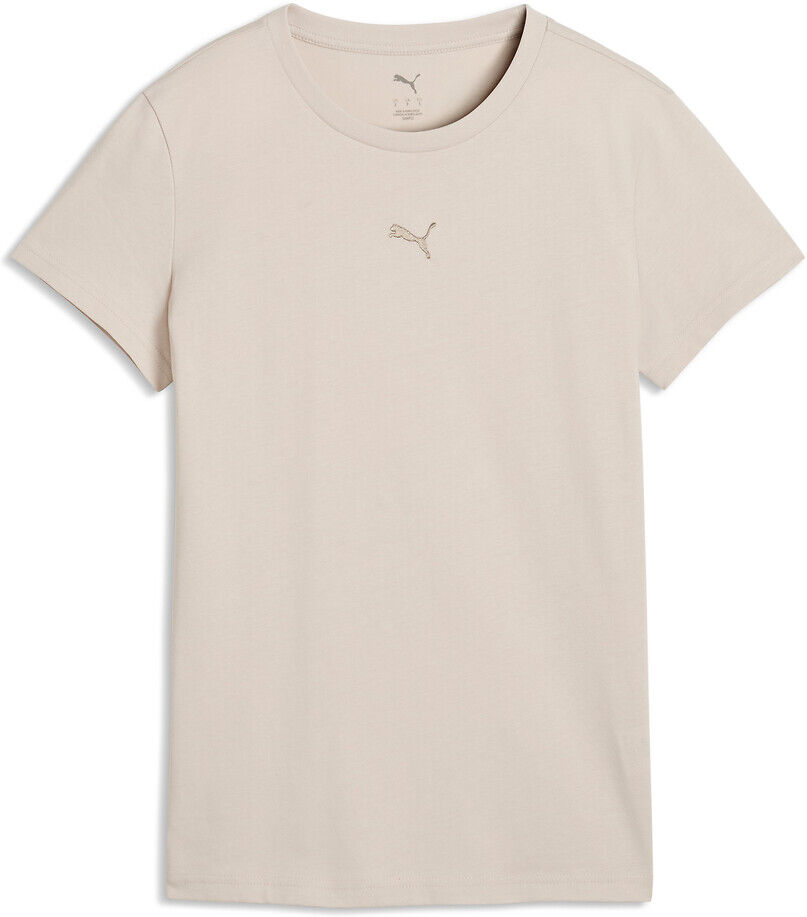
SUPERDRY T-shirt brodéDétails produit • Manches courtes • Col V • Logo poitrine brodé ton sur ton • Aspect irisé Composition et Entretien • 60% coton, 40% lyocell • Pour l'entretien, merci de vous référer aux indications figurant sur l'étiquette du produit29,99 €*Shipping: 3,99 €Secure redirect to the provider
-
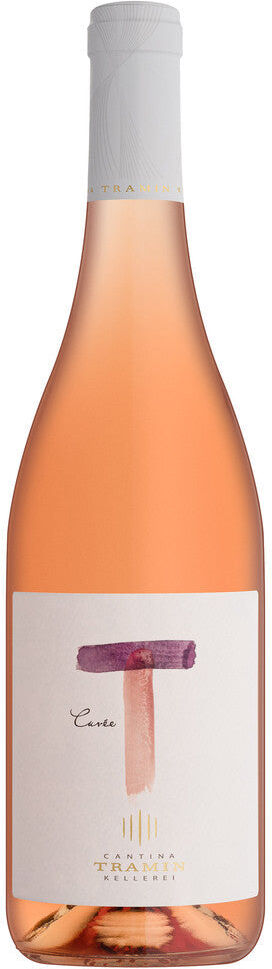
T Rosato Tramin 2024De Rosato ‘Cuvée T’ van de Zuid-Tiroolse wijnmakerij Tramin is een fles die draait om de plezierigheid en smaaklichtheid, kwaliteiten die deze rosé tot een ideale keuze maken als verfrissend aperitief. Dit etiket behoort tot de lijn ‘I Classici’, wijnen die zijn geboren om de ziel van het Zuid-Tiroolse gebied uit te drukken en gemaakt zijn door een selectie van de beste variëteiten die op de alpine hellingen worden geteeld, met volledig respect voor de natuur. Het gepassioneerde en gezamenlijke werk van 160 gezinnen heeft Tramin tot een van de meest gewaardeerde wijnbedrijven in Zuid-Tirol gemaakt. Tramin Rosato ‘Cuvée T’ is het resultaat van een assemblage van de druivensoorten Merlot, Lagrein en Pinot Nero, geteeld op de heuvels aan de voet van de Zuid-Tiroolse Alpen op een hoogte tussen de 250 en 550 meter. Hier profiteren de stokken van kalk- en kleigronden, rijk aan grind, evenals van het frisse klimaat dat wordt gekenmerkt door aanzienlijke dagelijkse temperatuurverschillen in de zomer. In de kelder wordt een korte contact tussen het sap en de schillen toegepast, voldoende om de gewenste kleurintensiteit te extraheren, gevolgd door een zachte persing. De alcoholische fermentatie vindt plaats in roestvrijstalen tanks bij gecontroleerde temperatuur, hetzelfde type containers waarin de wijn enkele maanden rijpt voordat deze wordt gebotteld. De ‘Cuvée T’ Rosato van Tramin heeft een intense roze kleur. Frisse en directe aroma's van aardbeien en frambozen definiëren het geurprofiel, geassocieerd met subtiele bloemige hints. Een lichte en frisse slok, intrigerend en aangenaam, met een delicate afdronk die doet denken aan de sensaties van rode vruchten die in de neus worden waargenomen. De Rosato ‘Cuvée T’ is een gracieuze en zachte interpretatie, waardoor deze goed past bij gerechten met een delicate smaak zoals vis tartaar, sushi of planken met kaas en vleeswaren van korte rijping.11,10 €*Shipping: 25,00 €Secure redirect to the provider
-
TOMMY HILFIGER T-shirtDétails produit • Manches courtes • Col rond Composition et Entretien • 100% coton • Pour l'entretien, merci de vous référer aux indications figurant sur l'étiquette du produit • COTON ISSU DE L'AGRICULTURE BIOLOGIQUE. L’agriculture biologique exclut tous produits chimiques, pesticides, insecticides et OGM. Une production dont l’impact sur la biodiversité est réduit. • SOUTIEN AU DÉVELOPPEMENT DE L'AGRICULTURE BIOLOGIQUE. Le coton en conversion permet d'aider financièrement les producteurs qui passent à l'agriculture biologique. Ce coton suit les exigences strictes de la certification biologique pendant un parcours de plusieurs années.29,90 €*Shipping: 3,99 €Secure redirect to the provider


-
What happens when T-helper cells are no longer present?
When T-helper cells are no longer present, the immune system's ability to coordinate an effective response to pathogens is compromised. This can lead to a weakened immune response, making the body more susceptible to infections and diseases. Without T-helper cells, other immune cells may not be properly activated, resulting in an inability to mount an appropriate immune response. This can have serious consequences for overall health and can lead to increased vulnerability to various illnesses. **
-
How does HIV virus cause damage to T-helper cells?
The HIV virus enters T-helper cells by binding to the CD4 receptor on the cell surface. Once inside the cell, the virus replicates and produces new viral particles, which can then infect other T-helper cells. This continuous cycle of infection and replication leads to a decline in the number of T-helper cells, weakening the immune system and making the body more susceptible to infections and diseases. Additionally, HIV can also directly cause cell death in T-helper cells, further contributing to the damage to the immune system. **
-
Why are liver cells animal cells?
Liver cells are animal cells because they are part of the tissue and organ system of animals. They are eukaryotic cells, meaning they have a true nucleus and membrane-bound organelles, which are characteristic of animal cells. Additionally, liver cells perform specific functions related to the metabolism and detoxification of substances within the body, which are essential for the survival and functioning of animals. Therefore, liver cells are classified as animal cells due to their structure, function, and role within the animal body. **
-
What are the differences between embryonic stem cells, omnipotent stem cells, adult stem cells, totipotent stem cells, and multipotent stem cells?
Embryonic stem cells are derived from embryos and have the potential to develop into any type of cell in the body. Omnipotent stem cells, also known as pluripotent stem cells, are similar to embryonic stem cells in that they can differentiate into any type of cell, but they are derived from adult tissues. Adult stem cells are found in various tissues and have the ability to differentiate into a limited range of cell types. Totipotent stem cells have the highest potential for differentiation and can develop into any type of cell, as well as into extraembryonic tissues such as the placenta. Multipotent stem cells can differentiate into a limited number of cell types, typically within a specific tissue or organ. **

What are egg cells and sperm cells?
Egg cells, also known as ova, are the female reproductive cells produced by the ovaries. They are larger than sperm cells and contain genetic material from the mother. Sperm cells, on the other hand, are the male reproductive cells produced by the testes. They are smaller and more numerous than egg cells, and contain genetic material from the father. When an egg cell is fertilized by a sperm cell, it forms a zygote, which eventually develops into a new organism. **
How do killer cells recognize infected body cells?
Killer cells, also known as cytotoxic T cells, recognize infected body cells through a process called antigen presentation. Infected cells display fragments of foreign proteins, known as antigens, on their surface using a protein called major histocompatibility complex (MHC) class I. Killer cells have receptors that can recognize these antigens when they are presented on the infected cell's surface. Once the killer cell identifies an infected cell, it releases toxic substances to destroy the infected cell and prevent the spread of the infection. **
Top-Angebote
Products related to T-cells:
-
SUPERDRY T-shirt brodéDétails produit • Manches courtes • Col V • Logo poitrine brodé ton sur ton • Aspect irisé Composition et Entretien • 60% coton, 40% lyocell • Pour l'entretien, merci de vous référer aux indications figurant sur l'étiquette du produit29,99 €*Shipping: 3,99 €Secure redirect to the provider
-
T Rosato Tramin 2024De Rosato ‘Cuvée T’ van de Zuid-Tiroolse wijnmakerij Tramin is een fles die draait om de plezierigheid en smaaklichtheid, kwaliteiten die deze rosé tot een ideale keuze maken als verfrissend aperitief. Dit etiket behoort tot de lijn ‘I Classici’, wijnen die zijn geboren om de ziel van het Zuid-Tiroolse gebied uit te drukken en gemaakt zijn door een selectie van de beste variëteiten die op de alpine hellingen worden geteeld, met volledig respect voor de natuur. Het gepassioneerde en gezamenlijke werk van 160 gezinnen heeft Tramin tot een van de meest gewaardeerde wijnbedrijven in Zuid-Tirol gemaakt. Tramin Rosato ‘Cuvée T’ is het resultaat van een assemblage van de druivensoorten Merlot, Lagrein en Pinot Nero, geteeld op de heuvels aan de voet van de Zuid-Tiroolse Alpen op een hoogte tussen de 250 en 550 meter. Hier profiteren de stokken van kalk- en kleigronden, rijk aan grind, evenals van het frisse klimaat dat wordt gekenmerkt door aanzienlijke dagelijkse temperatuurverschillen in de zomer. In de kelder wordt een korte contact tussen het sap en de schillen toegepast, voldoende om de gewenste kleurintensiteit te extraheren, gevolgd door een zachte persing. De alcoholische fermentatie vindt plaats in roestvrijstalen tanks bij gecontroleerde temperatuur, hetzelfde type containers waarin de wijn enkele maanden rijpt voordat deze wordt gebotteld. De ‘Cuvée T’ Rosato van Tramin heeft een intense roze kleur. Frisse en directe aroma's van aardbeien en frambozen definiëren het geurprofiel, geassocieerd met subtiele bloemige hints. Een lichte en frisse slok, intrigerend en aangenaam, met een delicate afdronk die doet denken aan de sensaties van rode vruchten die in de neus worden waargenomen. De Rosato ‘Cuvée T’ is een gracieuze en zachte interpretatie, waardoor deze goed past bij gerechten met een delicate smaak zoals vis tartaar, sushi of planken met kaas en vleeswaren van korte rijping.11,10 €*Shipping: 25,00 €Secure redirect to the provider
-
What are T-helper cells and T-killer cells?
T-helper cells, also known as CD4+ cells, are a type of white blood cell that play a crucial role in the immune system by coordinating the immune response. They help activate and direct other immune cells, such as B cells and T-killer cells, to fight off infections. T-killer cells, also known as cytotoxic T cells, are another type of white blood cell that are responsible for directly killing infected cells or cancer cells in the body. Together, T-helper cells and T-killer cells work in harmony to mount an effective immune response against pathogens. **
-
Do T-killer cells arise from T-lymphocytes due to the activation of T-helper cells?
No, T-killer cells do not arise from T-lymphocytes due to the activation of T-helper cells. T-killer cells, also known as cytotoxic T cells, are a subset of T-lymphocytes that are activated by the recognition of specific antigens presented by antigen-presenting cells. Once activated, T-killer cells can directly kill infected or abnormal cells. T-helper cells, on the other hand, play a different role in the immune response by helping to activate other immune cells, including T-killer cells, through the release of cytokines. **
-
What happens when T-helper cells are no longer present?
When T-helper cells are no longer present, the immune system's ability to coordinate an effective response to pathogens is compromised. This can lead to a weakened immune response, making the body more susceptible to infections and diseases. Without T-helper cells, other immune cells may not be properly activated, resulting in an inability to mount an appropriate immune response. This can have serious consequences for overall health and can lead to increased vulnerability to various illnesses. **
-
How does HIV virus cause damage to T-helper cells?
The HIV virus enters T-helper cells by binding to the CD4 receptor on the cell surface. Once inside the cell, the virus replicates and produces new viral particles, which can then infect other T-helper cells. This continuous cycle of infection and replication leads to a decline in the number of T-helper cells, weakening the immune system and making the body more susceptible to infections and diseases. Additionally, HIV can also directly cause cell death in T-helper cells, further contributing to the damage to the immune system. **
Similar search terms for T-cells
-
TOMMY HILFIGER T-shirtDétails produit • Manches courtes • Col rond Composition et Entretien • 100% coton • Pour l'entretien, merci de vous référer aux indications figurant sur l'étiquette du produit • COTON ISSU DE L'AGRICULTURE BIOLOGIQUE. L’agriculture biologique exclut tous produits chimiques, pesticides, insecticides et OGM. Une production dont l’impact sur la biodiversité est réduit. • SOUTIEN AU DÉVELOPPEMENT DE L'AGRICULTURE BIOLOGIQUE. Le coton en conversion permet d'aider financièrement les producteurs qui passent à l'agriculture biologique. Ce coton suit les exigences strictes de la certification biologique pendant un parcours de plusieurs années.29,90 €*Shipping: 3,99 €Secure redirect to the provider
-
VERO MODA T-shirtDétails produit • Manches courtes • Col rond Composition et Entretien • 82% viscose, 8% polyester, 5% élasthanne, 5% metal laqué epoxy • Pour l'entretien, merci de vous référer aux indications figurant sur l'étiquette du produit • MATIÈRE TEXTILE ISSUE DE FORÊTS GÉRÉES DURABLEMENT. Les fibres LENZING™ ECOVERO™ Viscose sont des fibres textiles obtenues à partir de pulpe de bois certifiée FSC® ou PEFC™ issu de forêts gérées durablement. Ces exploitations forestières replantent des arbres à un rythme raisonnable permettant ainsi le renouvellement de la forêt.21,99 €*Shipping: 3,99 €Secure redirect to the provider
-
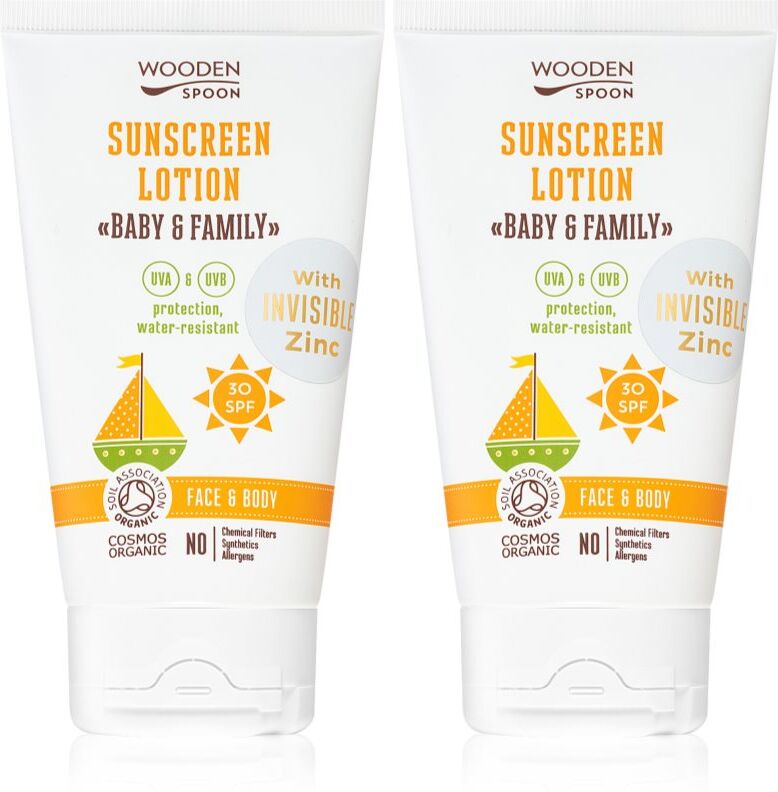
WoodenSpoon Baby & Family ensembleWoodenSpoon Baby & Family, 1 pcs, Produits solaires pour enfants pour femme, Découvrez un coffret pratique de produits qui embelliront votre quotidien. Le coffret WoodenSpoon Baby & Family facilite votre choix, en proposant une sélection de vos articles préférés, désormais réunis dans un seul et même emballage. L'ensemble contient: WoodenSpoon Baby & Family lait protecteur solaire SPF 30 2x150.00 ml Le produit : idéal pour les déplacements coffret à un prix avantageux protège contre les rayons UV nourrit et prend soin de la peau empêche l’assèchement de la peau protège contre les coups de soleil hydrate la peau de l’enfant s’utilise sur le corps et le visage s’absorbe facilement Composition du produit : beurre de karité – nourrit, aide à retenir l'humidité, apporte douceur et souplesse, offre une protection contre le dessèchement et les agressions extérieures vitamine E : nourrit la peau, lui procure une protection antioxydante contre le vieillissement prématuré et les dommages causés par les radicaux libres, contribue à lisser les rides et à rendre la peau plus ferme et plus souple cire d’abeille : crée une couche protectrice imperméable sur la peau, la rend ainsi durablement douce, apaisée, nourrie et protégée des agressions extérieures, l’humidifie, l’empêche de se déshydrater et de s’abîmer, accélère sa régénération huile de coco – contient une grande quantité d'antioxydants, aide à prévenir les rides et le vieillissement prématuré de la peau, nourrit intensément, assouplit et favorise l'hydratation, la régénération et l'apaisement de la peau beurre de cacao – est riche en acides gras, nourrit intensément, hydrate et favorise l'élasticité de la peau, crée une barrière protectrice empêchant la perte d'humidité, présente des effets lissants Mode d’emploi : Suivez les instructions indiquées sur l’emballage.39,20 €*Shipping: 3,45 €Secure redirect to the provider
-
Why are liver cells animal cells?
Liver cells are animal cells because they are part of the tissue and organ system of animals. They are eukaryotic cells, meaning they have a true nucleus and membrane-bound organelles, which are characteristic of animal cells. Additionally, liver cells perform specific functions related to the metabolism and detoxification of substances within the body, which are essential for the survival and functioning of animals. Therefore, liver cells are classified as animal cells due to their structure, function, and role within the animal body. **
-
What are the differences between embryonic stem cells, omnipotent stem cells, adult stem cells, totipotent stem cells, and multipotent stem cells?
Embryonic stem cells are derived from embryos and have the potential to develop into any type of cell in the body. Omnipotent stem cells, also known as pluripotent stem cells, are similar to embryonic stem cells in that they can differentiate into any type of cell, but they are derived from adult tissues. Adult stem cells are found in various tissues and have the ability to differentiate into a limited range of cell types. Totipotent stem cells have the highest potential for differentiation and can develop into any type of cell, as well as into extraembryonic tissues such as the placenta. Multipotent stem cells can differentiate into a limited number of cell types, typically within a specific tissue or organ. **
-
What are egg cells and sperm cells?
Egg cells, also known as ova, are the female reproductive cells produced by the ovaries. They are larger than sperm cells and contain genetic material from the mother. Sperm cells, on the other hand, are the male reproductive cells produced by the testes. They are smaller and more numerous than egg cells, and contain genetic material from the father. When an egg cell is fertilized by a sperm cell, it forms a zygote, which eventually develops into a new organism. **
-
How do killer cells recognize infected body cells?
Killer cells, also known as cytotoxic T cells, recognize infected body cells through a process called antigen presentation. Infected cells display fragments of foreign proteins, known as antigens, on their surface using a protein called major histocompatibility complex (MHC) class I. Killer cells have receptors that can recognize these antigens when they are presented on the infected cell's surface. Once the killer cell identifies an infected cell, it releases toxic substances to destroy the infected cell and prevent the spread of the infection. **
* All prices are inclusive of VAT and, if applicable, plus shipping costs. The offer information is based on the details provided by the respective shop and is updated through automated processes. Real-time updates do not occur, so deviations can occur in individual cases. ** Note: Parts of this content were created by AI.